
 In Good Flavor
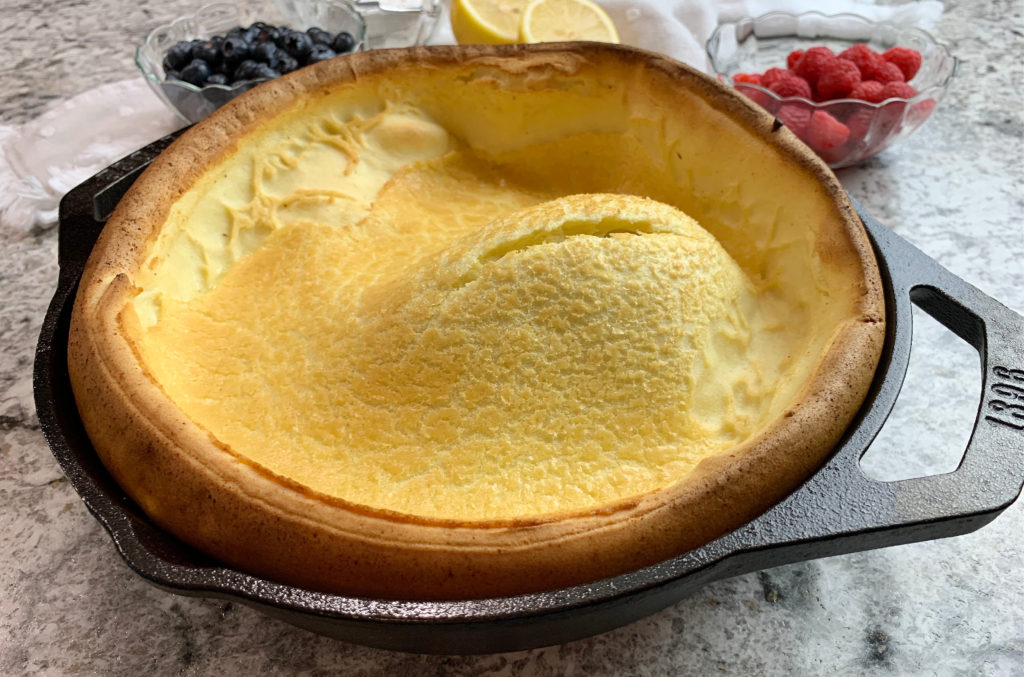
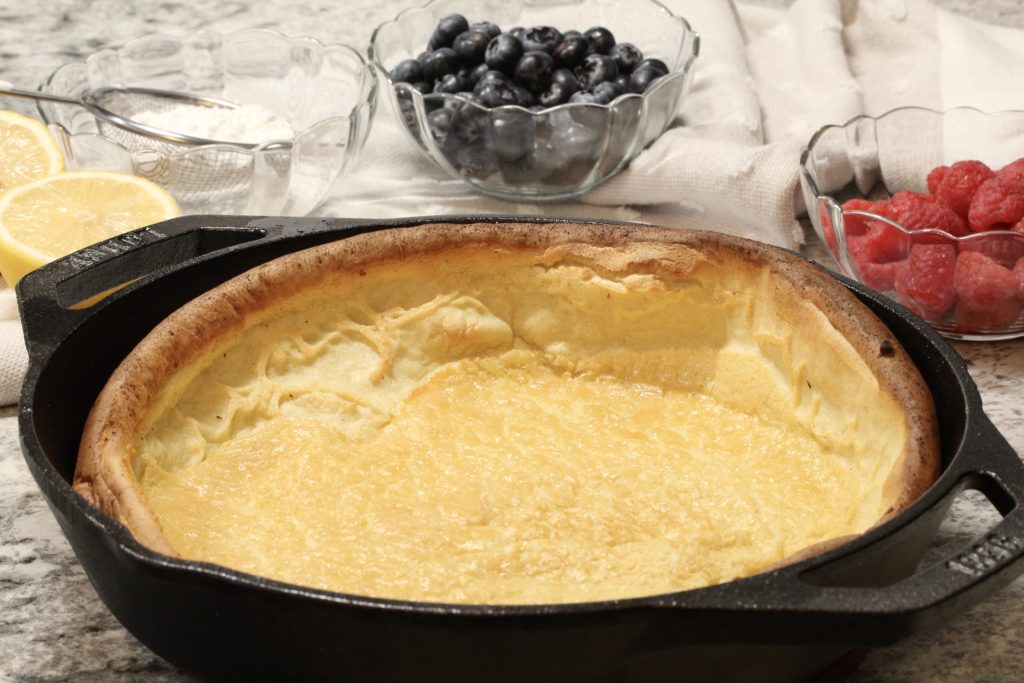
This Limoncello Butter and Berries Dutch Baby starts as a simple blended batter and bakes into a popover-like pancake with dramatic rise. Crisp at the edges, tender and eggy in the center, it puffs into pillowy perfection straight from the skillet.
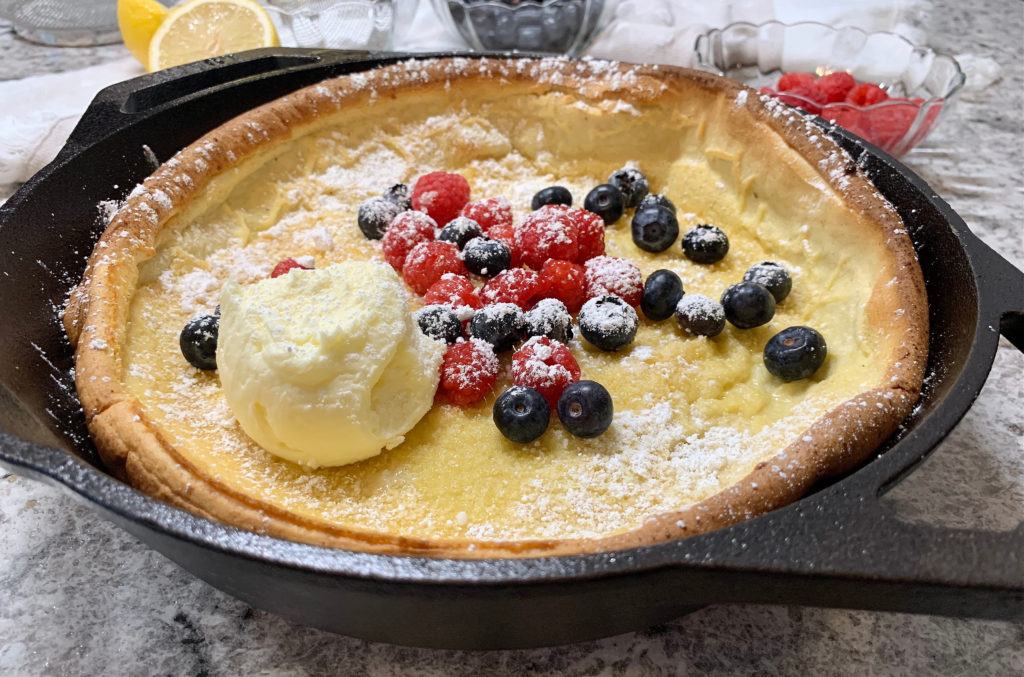
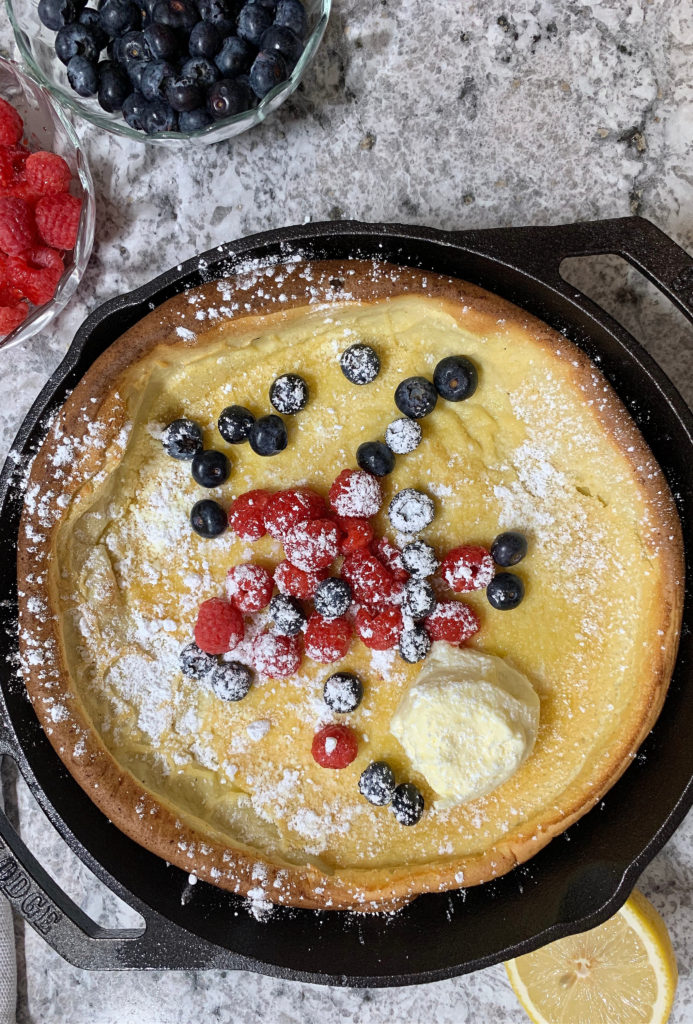
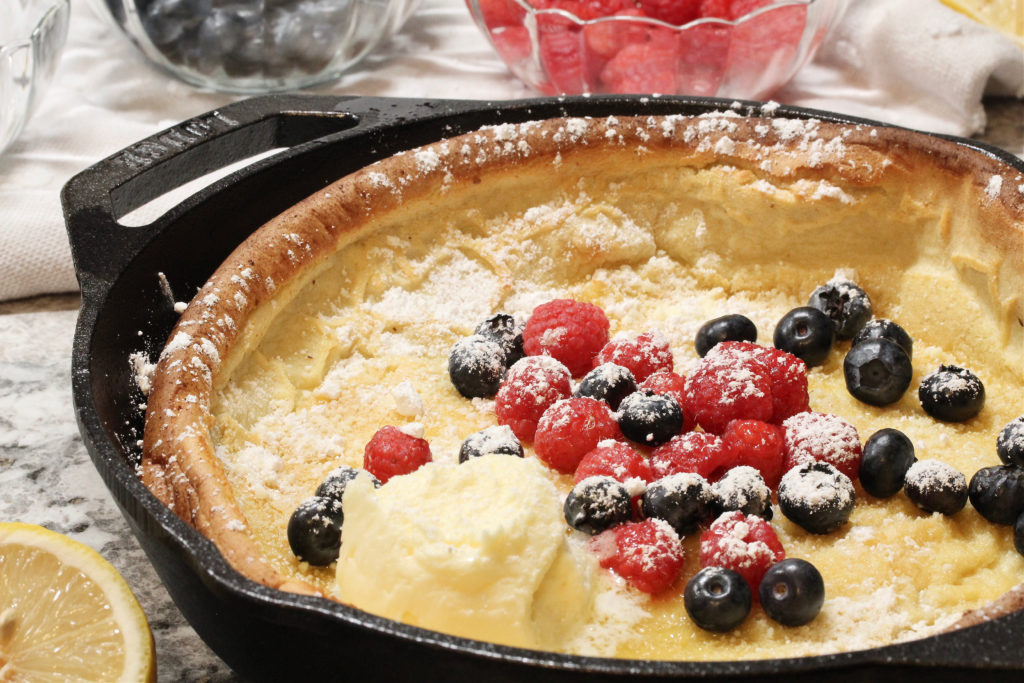
Mother’s Day is just around the corner, and there’s no better way to start the celebration than with a Dutch baby that’s as beautiful as it is delicious. Dutch baby pancakes are tender, fluffy, delightfully eggy, and always impressive when they emerge from the oven. This version is topped with limoncello-infused whipped butter, freshly squeezed lemon juice, a shower of berries, and a dusting of confectioners’ sugar for a bright, celebratory finish.
Despite its name, the Dutch baby (also known as a German pancake) has nothing to do with the Dutch. The name dates back to the early 1900s at Manca’s Café in Seattle, where the owner’s daughter mispronounced Deutsch, the German word for “German.” The charming miscue stuck—perhaps not the most dramatic origin story, but a fun bit of culinary trivia nonetheless.
A Dutch baby is closely related to Yorkshire pudding and popovers, with crisp, golden edges and a soft, custardy center. Unlike traditional pancakes, it bakes entirely in the oven, rising dramatically as it cooks. A cast-iron skillet is the classic choice, but any oven-safe baking dish will work beautifully.
Ingredients needed:
- Eggs—use room temperature for the best lift.
- Milk—I use whole milk, but 2% is good too. Needs to be at room temperature.
- Granulated sugar—to add a subtle sweetness to the batter.
- All-purpose flour—do not overmix. Blend flour just until the batter is lump-free.
- Salt—for flavor and balance.
- Vanilla extract—provides great flavor.
- Butter—to grease the skillet and add butteriness.
- Limoncello—to flavor the limoncello butter. Make sure it’s at room temp.
- Fresh lemon juice—for a bright citrusy pop.
- Confectioners’ sugar—as a topping for sweetness and for the limoncello butter.
- Fresh berries—for a pop of color and deliciousness.
Surprisingly easy to make:
The batter comes together easily using a blender, food processor, electric mixer, or even a hand whisk. My go-to method is the blender—it takes less than a minute from start to finish (though whisking by hand works just as well, it just requires a bit more time).
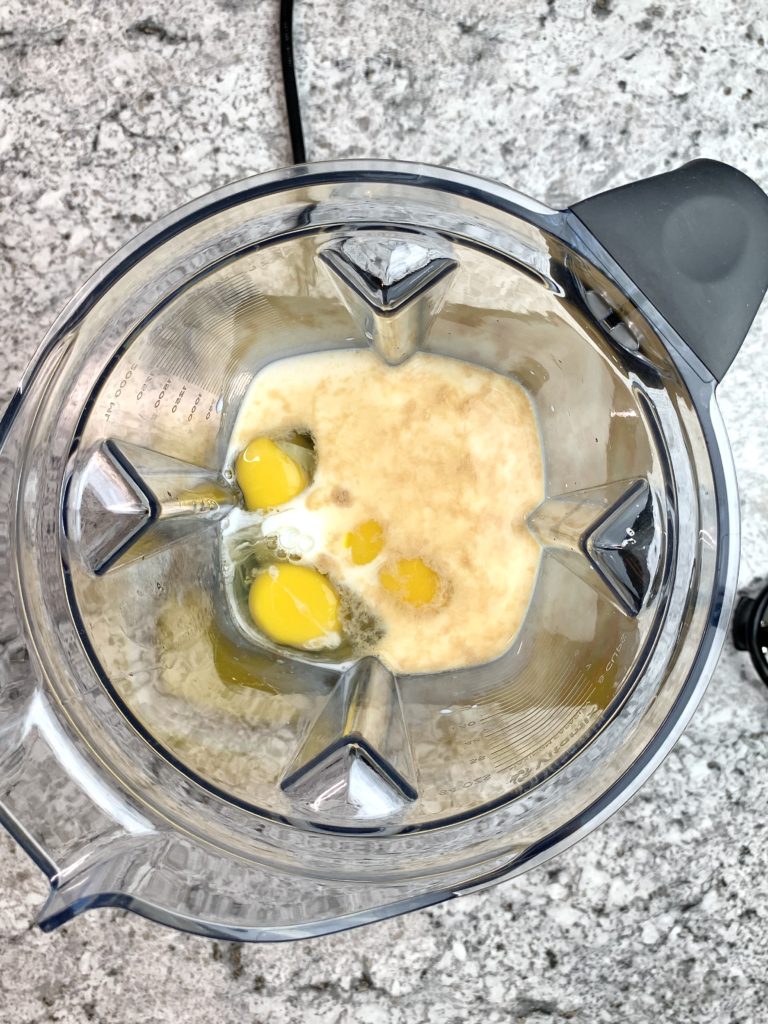
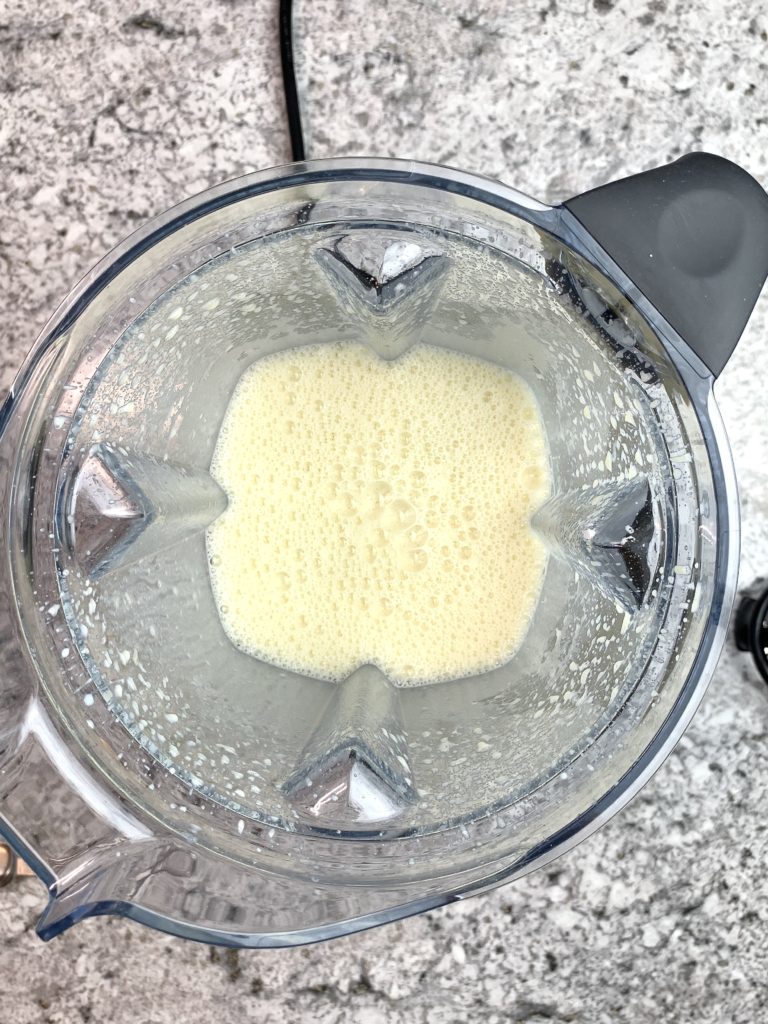
I start by blending the eggs, milk, sugar, and vanilla on medium-high speed for about 30 seconds. Then I add the flour and salt and blend for another 15 seconds, just until the batter is silky smooth.
Next, melt the butter in a hot cast-iron skillet, pour in the batter, and transfer the skillet to the oven. As it bakes, the edges dramatically puff and climb the sides of the pan, turning beautifully golden. It’s truly a glorious sight to watch unfold.

Recipe highlights:
- Preheat oven to 400° F. Place a cast iron skillet on the rack.
- Blend eggs, milk, sugar, and vanilla in the blender jar for 30 seconds. Add flour and salt. Blend for 15 seconds or until smooth. Let it rest for 10-15 minutes.
- Whisk butter in a small bowl. Add limoncello and confectioners’ sugar and beat until creamy and smooth. Refrigerate until ready to garnish.
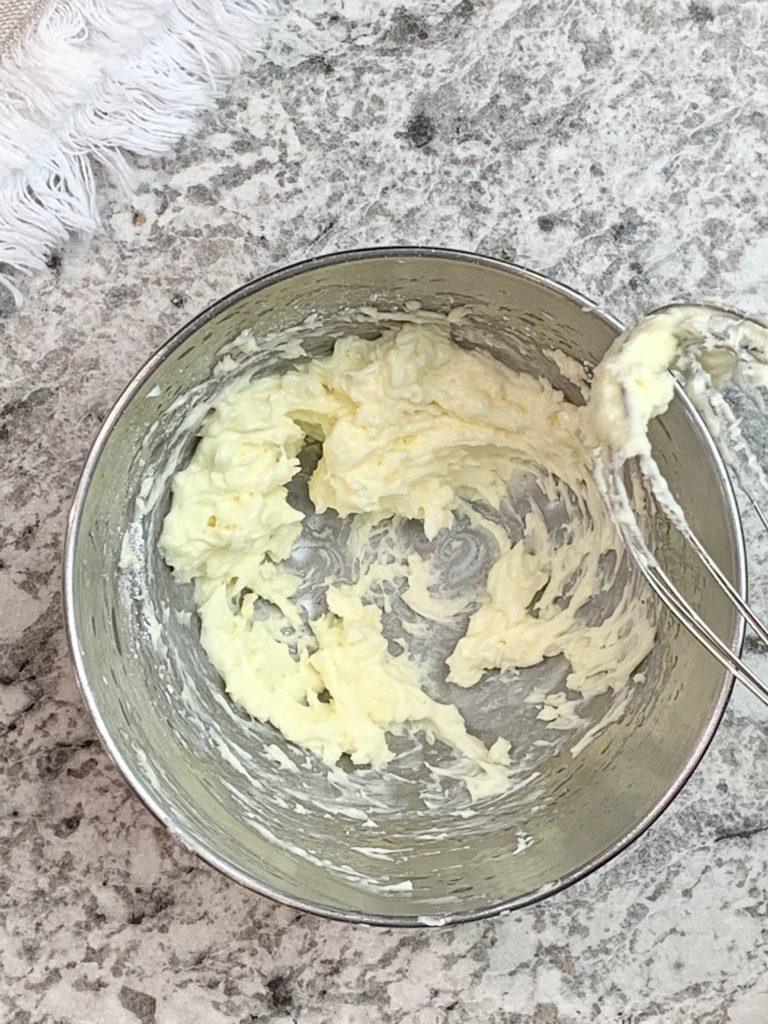
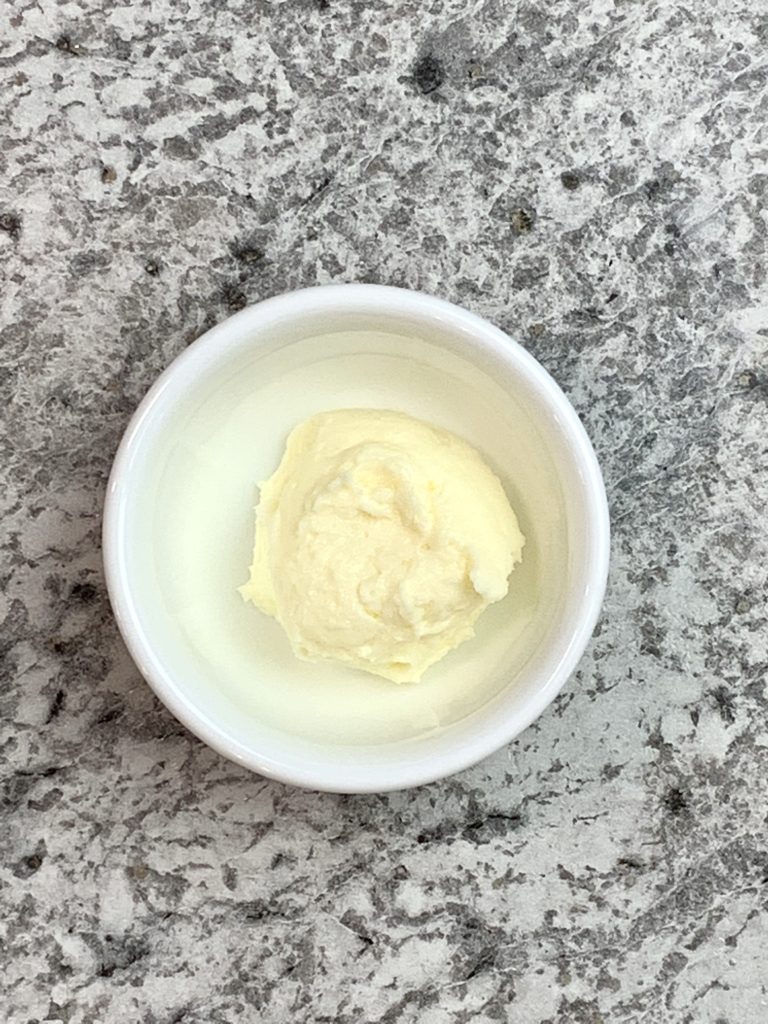
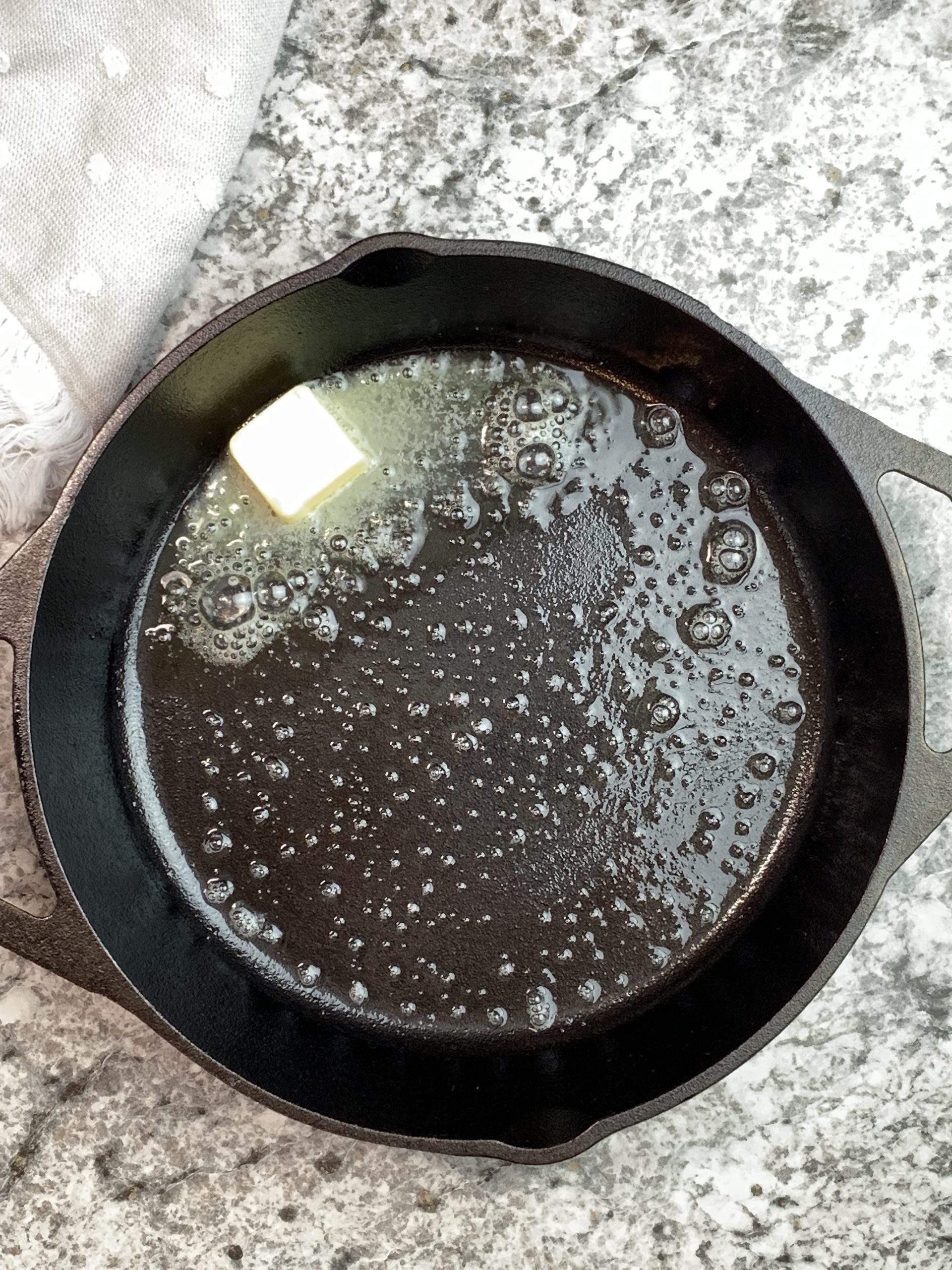
- When ready to bake, add plain butter to a hot skillet and coat the entire surface.
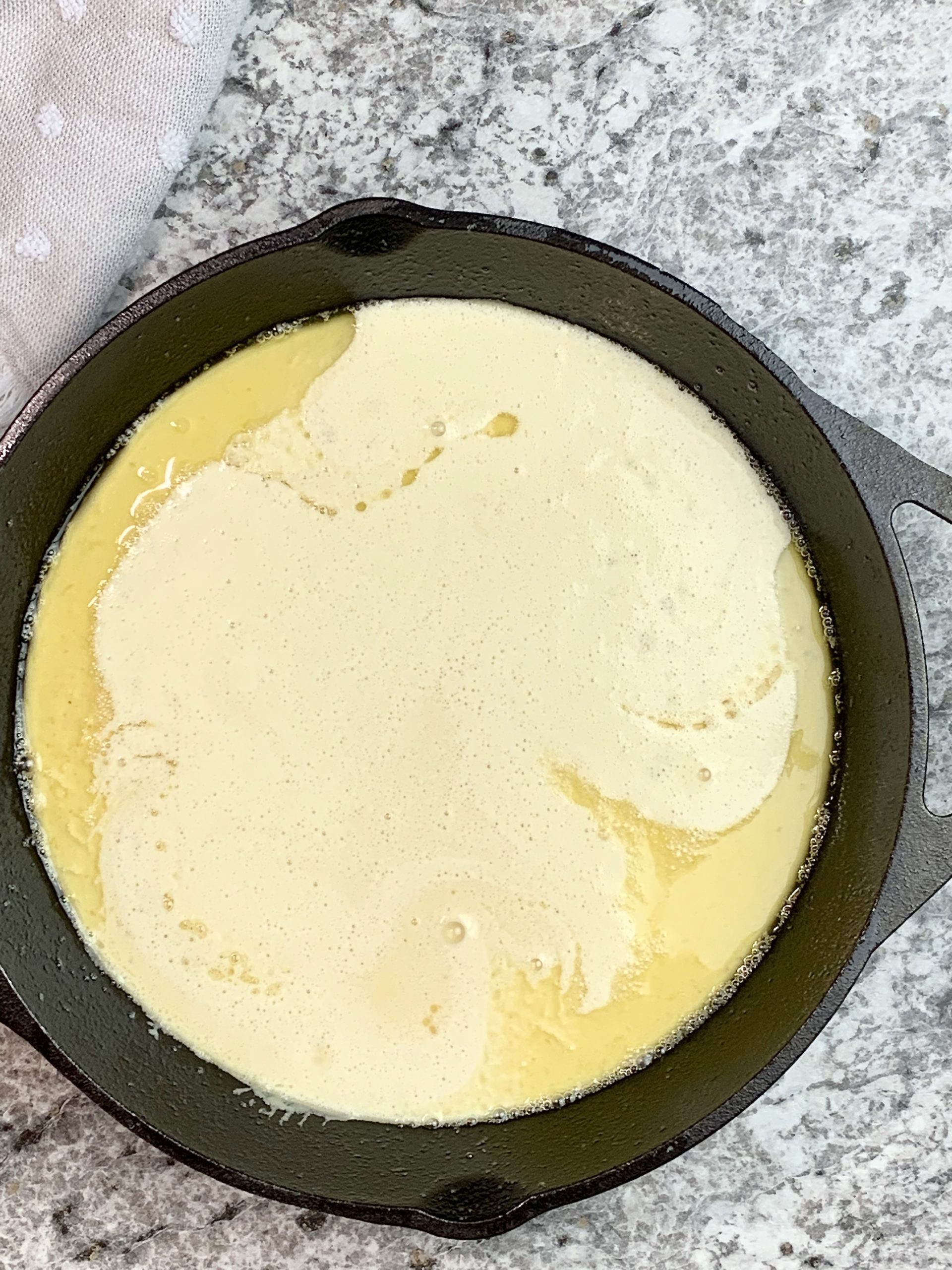
- Pour in the batter. Bake for 20 minutes, or until the edges are puffed, golden brown, and the center is puffed and golden.
- Top with a squeeze of lemon juice, berries, limoncello butter, and confectioners’ sugar.
- See the recipe card for detailed instructions.
How does Dutch Baby get its lift and volume?
Multiple factors contribute to the dramatic rise:
- Steam—eggs are the sole leavening agent. The batter contains no chemical leaveners like baking powder or baking soda. Instead, the puffiness results from high heat and steam, with milk and eggs supplying the necessary moisture.
- Preheated skillet—the hot skillet gives the batter an early jump start on rising.
- Room temperature ingredients—ensure eggs and milk are at room temperature for optimal results, as cold ingredients don’t rise as effectively.
- Well-buttered skillet—make sure to coat the sides of the skillet with melted butter as well, so the batter can rise properly without sticking.
These pancakes look their best within the first 2-3 minutes after baking. Although some of the volume diminishes as the Dutch baby cools, it remains a visual delight.
Can it be made ahead?
For convenience, prepare the batter the night before and store it in the refrigerator. Before baking, allow it to sit at room temperature for approximately 15 minutes, as cold batter tends to rise less effectively. Briefly whisk it again before pouring it into the hot skillet.

Many topping options:
Toppings can be as simple or as creative as you like. Traditionally, Dutch babies are finished with a dusting of powdered sugar and a squeeze of fresh lemon juice, with or without fresh fruit. And of course, a drizzle of syrup is always welcome if that’s your style.
For something a little more indulgent, try caramelized apples or bananas, lemon (or other fruit) curd, jam, maple syrup, or a dollop of whipped cream. Mix and match from this list—or follow whatever combination sounds best to you.
Dutch babies also lend themselves beautifully to savory toppings. If you go that route, reduce the sugar in the batter to 1 tablespoon and increase the salt to 1/4 teaspoon. Then top with fresh herbs, goat cheese, feta, Parmesan, or cheddar, along with eggs, bacon, prosciutto, or peppery arugula. Feel free to mix and match to make it your own.
Pro Tips:
- To quickly bring milk to room temperature, microwave it for 20 seconds. For eggs, soak them in warm water for 5 minutes. I usually microwave them, placing all 3 eggs on a paper towel in the microwave to prevent rolling. Microwave for 12 seconds. Rotate the eggs, top side down. Microwave for 12 more seconds. The eggs should no longer feel cold to the touch.
- To hand-whisk, beat the eggs for 15 seconds to blend. Add the milk, sugar, and vanilla. Beat until there are no streaks of egg, about 1 minute. Add the flour and salt. Beat vigorously until smooth and lump-free, about 30 seconds.
- Brush the sides of the skillet with melted butter to prevent the batter from sticking. This helps the batter rise easily up the sides of the skillet.
- For convenience, make and refrigerate the batter the night before. Let it come to room temperature before baking. Give it a quick whisk before baking.
- For a savory Dutch baby, reduce the granulated sugar to 1 tablespoon and increase the salt to 1/4 teaspoon.

Recommended supplies:
(Affiliate links. The products I recommend are either what I use, are on my wish list, or are highly rated.)
- A 10-inch cast iron skillet—I have this one. It comes pre-seasoned.
- A blender to mix the batter. This NutriBullet blender is reasonably priced and comes highly rated.
- Mini wire whisk to make the limoncello butter. You can also use an electric mixer with a whisk attachment.
- Silicone spatula for scraping the blender jar.
- Silicone pastry brush to coat the sides of the skillet with butter.
You Might Also Like:
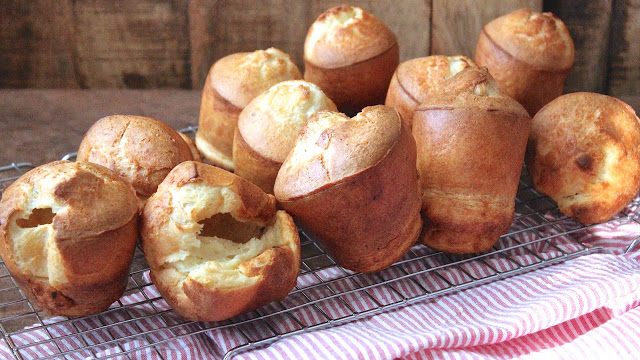 Popovers with Garlic Herb Cheese
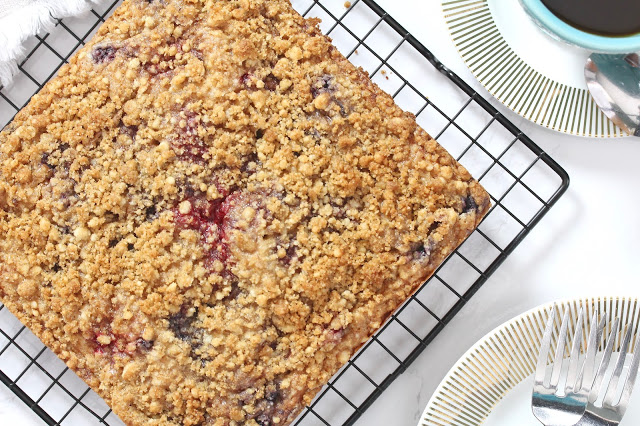 Banana Berry Coffee Cake
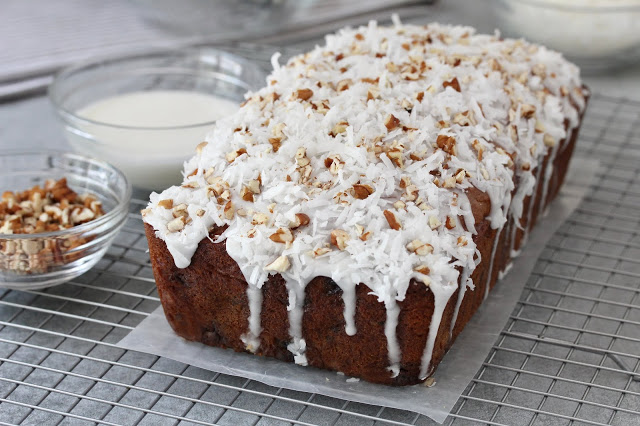 Banana Blueberry Coconut Bread
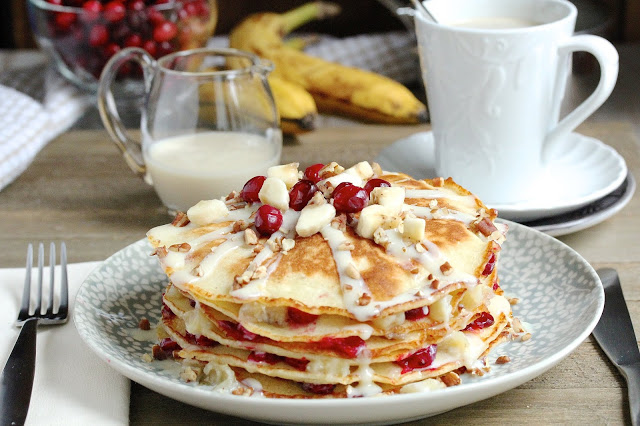 Cranberry Banana Pancakes with Coconut Syrup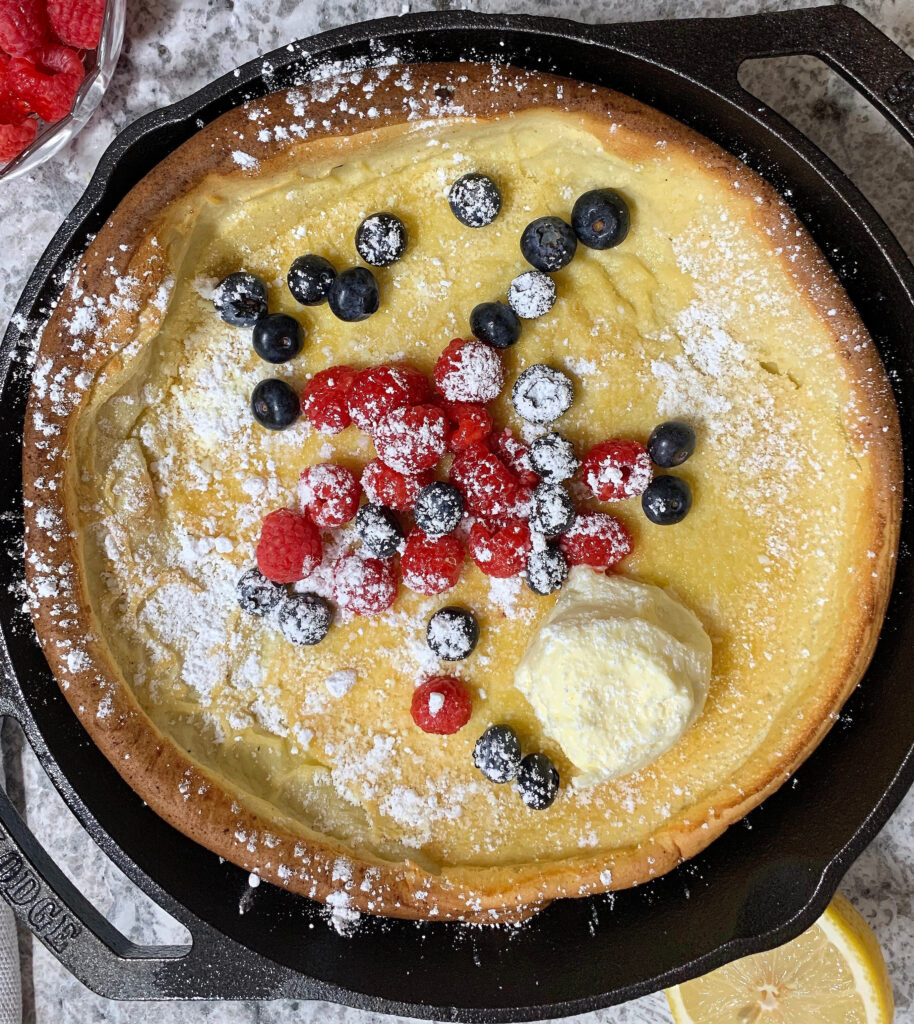

Limoncello Butter and Berries Dutch Baby
Description
This Limoncello Butter and Berries Dutch Baby starts as a simple blended batter and bakes into a popover-like pancake with dramatic rise. Crisp at the edges, tender and eggy in the center, it puffs into pillowy perfection straight from the skillet.
Ingredients
For the limoncello butter:
Instructions
- Preheat the oven to 400°F. Place a 10-inch cast-iron skillet in the oven to preheat. Ensure there is at least 4 inches of clearance between the bottom of the skillet and any rack above it.
- Place the eggs, milk, sugar, and vanilla in the blender jar. Blend on medium-high for 30 seconds. Scrape down the sides. Add the flour and salt. Blend on medium-high for 15 seconds, or until smooth. Let it rest at room temperature for 10-15 minutes.
- Make limoncello butter: In a small bowl, whisk the butter with a hand whisk or an electric mixer with a whisk attachment until smooth. Add the limoncello and confectioners’ sugar. Beat until creamy and smooth. Refrigerate until ready to use.
- When the batter is ready to bake, remove the skillet from the oven, being careful not to burn your hands. Add 2 tablespoons of butter and swirl to coat the bottom. Use a heatproof pastry brush to coat the sides completely with butter. Pour in the batter, then return the skillet to the oven.
- Bake for 20 minutes, or until the center is fluffy and the edges are puffed and golden brown.
- Remove from oven. Keep Dutch baby in the skillet or transfer to a serving plate (optional). Serve immediately with the limoncello butter, a squeeze of lemon juice, a generous dusting of confectioners’ sugar, and fresh berries.
- In a small bowl, whisk butter with a hand whisk or electric mixer with a whisk attachment until smooth. Add limoncello and confectioners’ sugar. Beat until creamy and smooth. Refrigerate until ready to use.
- Makes 4 small or 2 large servings.
Resting allows the flour to absorb the liquid, resulting in better texture, rise, and flavor.
To make the limoncello butter:
Notes
- This recipe uses a cast iron skillet, but you can use any baking dish or pan of a similar size.
- To quickly bring milk to room temperature, microwave for 20 seconds. For eggs, soak in warm water for 5 minutes. I usually microwave—place all 3 eggs on a paper towel in the microwave to prevent rolling. Microwave for 12 seconds. Rotate eggs, top side down. Microwave for 12 more seconds. Eggs should no longer feel cold to the touch.
- To hand whisk, beat eggs for 15 seconds to blend. Add milk, sugar, and vanilla. Beat until there are no longer streaks of eggs, about 1 minute. Add flour and salt. Beat vigorously until smooth and lump-free, about 30 seconds.
- For convenience, make and refrigerate the batter the night before. Let it come to room temperature before baking. Give it a quick whisk before baking.
- For savory Dutch baby, reduce the granulated sugar to 1 tablespoon and increase salt to 1/4 teaspoon.
Disclosure: This site contains paid advertising and affiliate links. In Good Flavor is a participant in the Amazon Services LLC Associates Program, an affiliate advertising program designed to provide a means for sites to earn advertising fees by advertising and linking to Amazon.com.
I so love a good Dutch baby! I’d happily eat one for Mother’s Day–especially with berries and limoncello!
Special occasions calls for limoncello 🙂 I hope you have wonderful Mother’s Day, Inger!